
The 411:
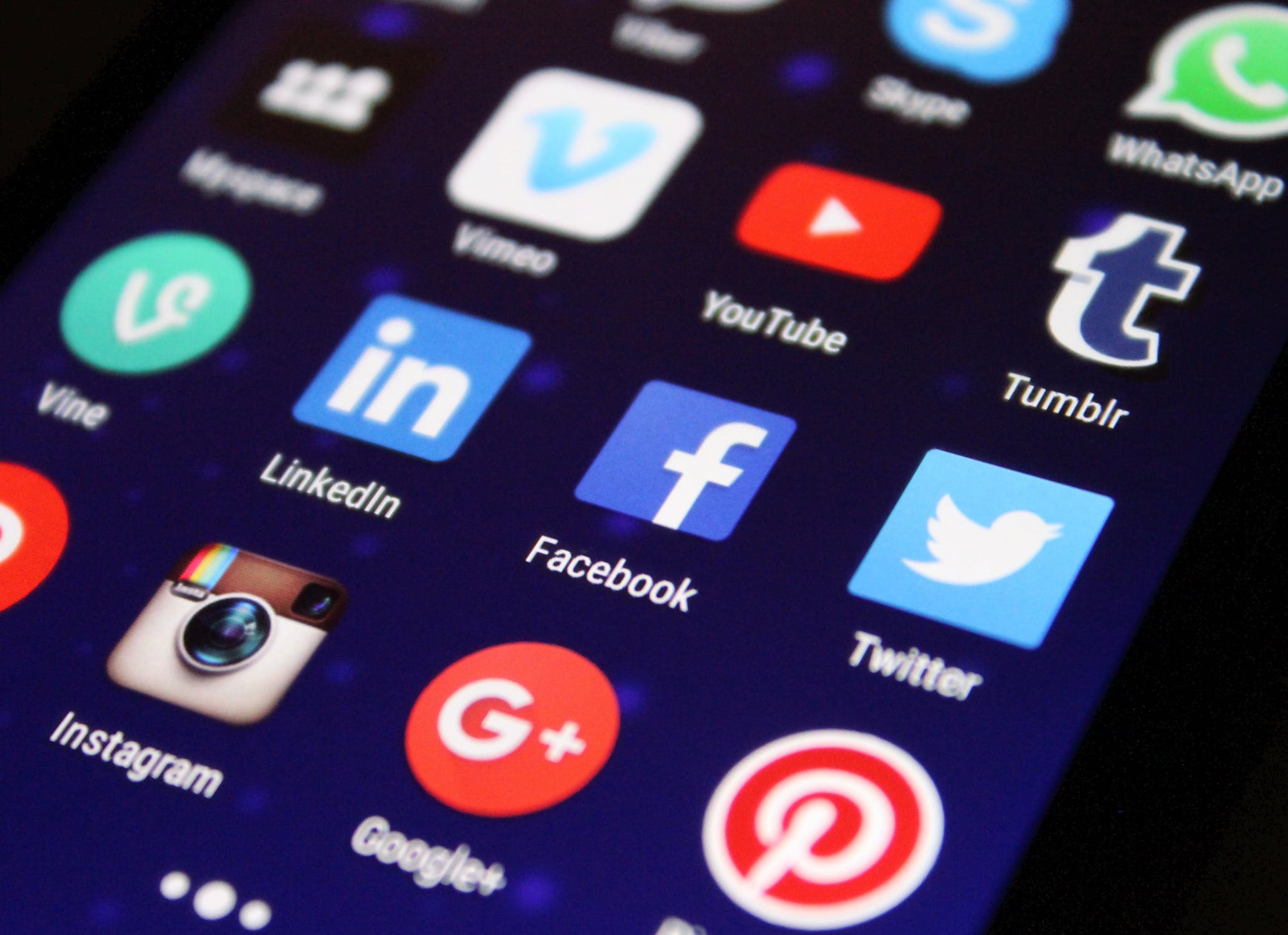
Not every social media platform is right for every business. The key to building an effective social media strategy isn't being everywhere—it's being where your audience already spends their time. Understanding who uses each platform, how they engage with content, and how those behaviors align with your business goals can help you focus your efforts, maximize your resources, and create more meaningful connections with your audience. Whether you're just getting started or refining your social media marketing strategy, choosing the right platforms is one of the most important decisions you'll make.
Why Choosing the Right Social Media Platform Matters
Social media continues to evolve at an incredible pace. New features appear regularly, user behavior changes constantly, and platforms that were once dominant can quickly shift.
With so many options available, it's easy to feel like your business should have a presence everywhere. The reality is that effective social media management isn't about being on every platform—it's about being on the right platforms.
Before creating content, running ads, or building a posting schedule, it's important to understand where your audience spends their time and how they prefer to consume information.
Start With Your Audience, Not the Platform
One of the biggest mistakes businesses make is choosing a platform before identifying their audience.
Before deciding where to invest your time and resources, ask:
- Who is my ideal customer?
- What are their interests?
- How do they consume information?
- Are they consumers or business professionals?
- What type of content do they engage with most?
The answers to these questions will help shape your social media strategy and determine which platforms deserve your attention.
When audience insights drive your decisions, your social media marketing services become significantly more effective.
Facebook: The Largest Social Network
Facebook remains one of the most recognizable and widely used social media platforms.
Users can:
- Share updates
- Post photos and videos
- Follow businesses
- Join groups
- Engage with content
- Communicate with brands
Businesses can also utilize highly targeted advertising options to reach specific audiences based on demographics, interests, location, and behavior.
Best For:
Business-to-Consumer (B2C) Marketing
Facebook is ideal for businesses that want to build community, share updates, promote events, and maintain regular engagement with customers.
Why It Works
Its broad user base makes Facebook one of the most versatile platforms available for businesses looking to increase visibility and build relationships.
Instagram: Visual Storytelling at Its Best
Instagram was built around visual content and continues to be one of the most effective platforms for showcasing products, services, culture, and experiences.
Through photos, videos, Stories, and Reels, businesses can create engaging content that quickly captures attention.
Best For:
Business-to-Consumer (B2C) Marketing
Instagram performs particularly well for brands with strong visual assets, including:
- Retail
- Hospitality
- Healthcare
- Tourism
- Food and beverage
- Lifestyle brands
- Professional services
Why It Works
People process visuals quickly. A compelling image or short-form video often communicates more effectively than paragraphs of text.
For businesses investing in social media content creation, Instagram offers significant opportunities to showcase personality and brand identity.
LinkedIn: Where Business Conversations Happen
LinkedIn was specifically designed for professionals and organizations.
Unlike other platforms, LinkedIn users often visit with business objectives in mind, making it an ideal environment for professional networking, thought leadership, recruiting, and business development.
Best For:
Business-to-Business (B2B) Marketing
LinkedIn is especially valuable for:
- Professional services
- Consulting firms
- Manufacturers
- Healthcare organizations
- Recruitment efforts
- Industry leaders
Why It Works
Users are actively looking for professional information, industry expertise, and business insights.
For organizations focused on credibility and relationship-building, LinkedIn can be a powerful marketing tool.
X (Formerly Twitter): Fast, Timely Communication
X, formerly known as Twitter, remains a platform built around quick updates, conversations, news, and trending topics.
Users often engage with:
- Breaking news
- Industry updates
- Event coverage
- Statistics
- Commentary
- Real-time conversations
Best For:
Organizations Sharing Frequent Updates
Businesses that regularly publish:
- News content
- Event information
- Industry insights
- Research
- Public updates
may find value in maintaining an active presence.
Why It Works
The platform encourages concise communication and timely engagement.
Pinterest: Inspiration Meets Discovery
Pinterest functions more like a visual search engine than a traditional social media platform.
Users create boards and save content that inspires them, teaches them something new, or helps them accomplish a goal.
Best For:
- Home improvement
- Interior design
- Fashion
- Food and recipes
- DIY projects
- Event planning
- Lifestyle brands
Why It Works
Pinterest users often arrive with intent. They're actively searching for ideas, solutions, and inspiration, making it a strong platform for evergreen content.
Snapchat: Reaching Younger Audiences
Snapchat focuses on short-form visual communication through disappearing photos, videos, and Stories.
While it may not fit every business, it remains popular among younger demographics.
Best For:
Brands targeting:
- Teens
- Young adults
- College students
- Event-focused audiences
Why It Works
The platform encourages authentic, casual content and real-time interaction.
YouTube: The Power of Video Marketing
YouTube is the world's largest video-sharing platform and arguably one of the most powerful search engines in existence.
Users visit YouTube to:
- Learn new skills
- Research products
- Watch tutorials
- Find entertainment
- Compare services
- Explore brands
Best For:
Almost everyone.
Seriously.
Businesses across nearly every industry can benefit from video content.
Why It Works
Video allows businesses to educate, demonstrate expertise, answer questions, and build trust at scale.
For organizations investing in content marketing services, YouTube can become a long-term asset that continues generating visibility for years.
Do You Need to Be on Every Platform?
The short answer? No.
Many businesses spread themselves too thin by trying to maintain a presence everywhere.
Instead, focus on:
- Where your audience is active
- What type of content you can consistently create
- Which platforms align with your goals
- What resources your team has available
It's better to execute two platforms exceptionally well than six platforms poorly.
Build a Social Media Strategy Around Your Goals
The best social media strategy connects platform selection to business objectives.
For example:
Goal: Brand Awareness
Focus on:
- YouTube
Goal: Lead Generation
Focus on:
- YouTube
Goal: Community Engagement
Focus on:
Goal: Thought Leadership
Focus on:
- YouTube
- X
Every platform serves a different purpose, which is why strategy should always come before content creation.
Quality Content Matters More Than Platform Selection
Choosing the right platform is only half the equation.
Successful social media marketing also requires:
- Consistent posting
- Audience-focused messaging
- High-quality visuals
- Engaging videos
- Strong storytelling
- Strategic planning
The most effective brands understand that social media content creation isn't about posting for the sake of posting. It's about creating content that provides value, encourages engagement, and strengthens relationships.
Frequently Asked Questions About Social Media Marketing
What is the best social media platform for businesses?
There isn't a single best platform. The right platform depends on your audience, business goals, industry, and content capabilities.
Should my business be on every social media platform?
No. Most businesses achieve better results by focusing on the platforms where their audience is most active rather than trying to maintain a presence everywhere.
Which social media platform is best for B2B marketing?
LinkedIn is generally the strongest platform for B2B marketing because users are actively engaging in professional conversations and business networking.
Which social media platform is best for visual content?
Instagram, Pinterest, and YouTube are highly effective for visual storytelling through photos and video.
Why is audience research important for social media marketing?
Audience research helps businesses identify where their customers spend time online, what content they engage with, and how they prefer to communicate.
How often should businesses post on social media?
Consistency matters more than frequency. The best posting schedule is one your team can realistically maintain while producing quality content.
Meet Your Audience Where They Already Are
Social media can be one of the most powerful tools in your marketing toolbox—but only when it's used strategically.
Rather than chasing every new platform or trend, focus on understanding your audience, identifying your goals, and selecting the channels that best support both. When your platform choices align with your audience's habits and preferences, your content works harder, your engagement grows, and your marketing efforts become more effective.
At LŪM, we help businesses develop audience-focused social media strategies that connect the right message with the right people. From social media management and social media content creation to full-service marketing strategy and content marketing services, our team helps brands build meaningful relationships online while keeping their goals front and center.